We are processing your request.
Please, don’t close or refresh the page.
Home Museo Picasso What To See
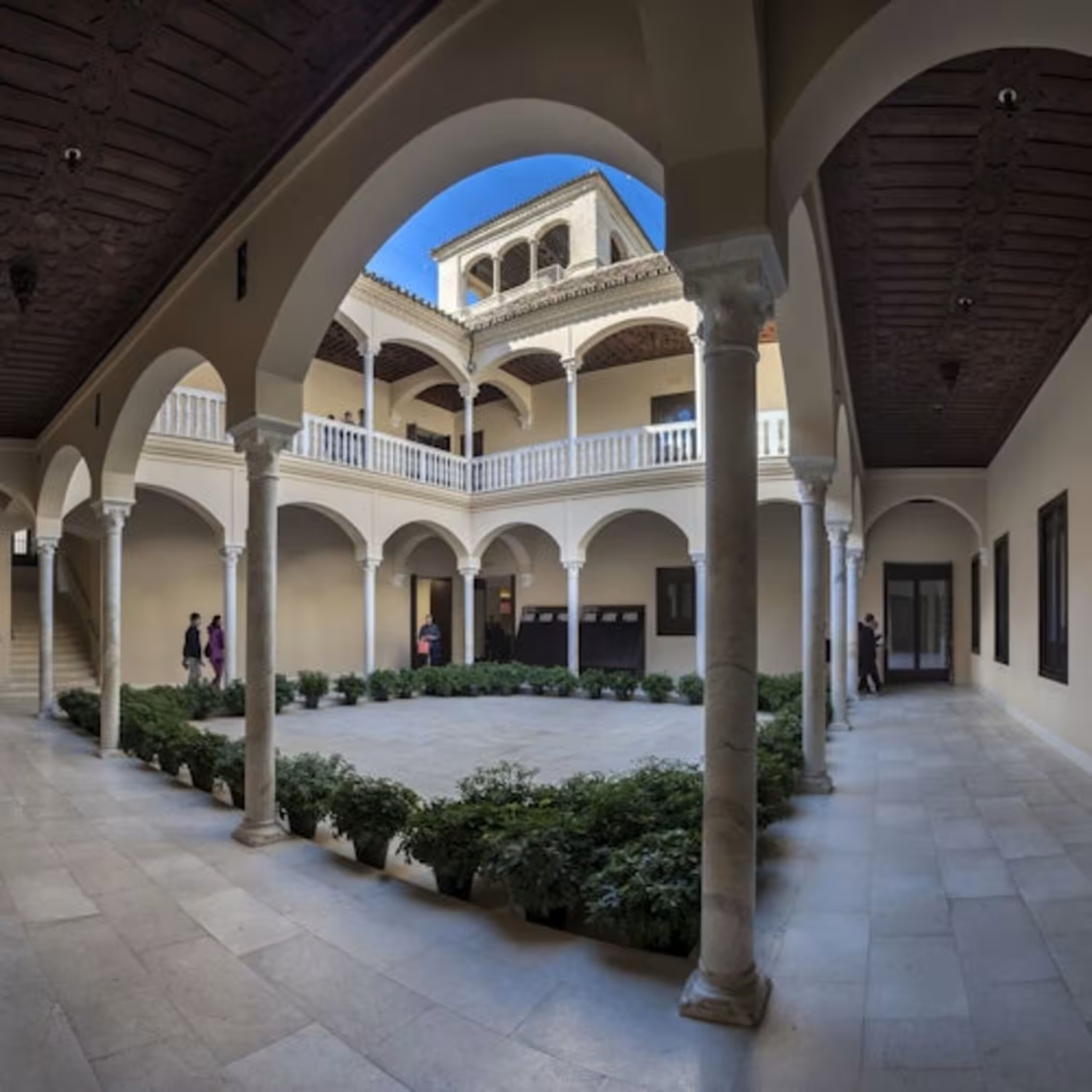
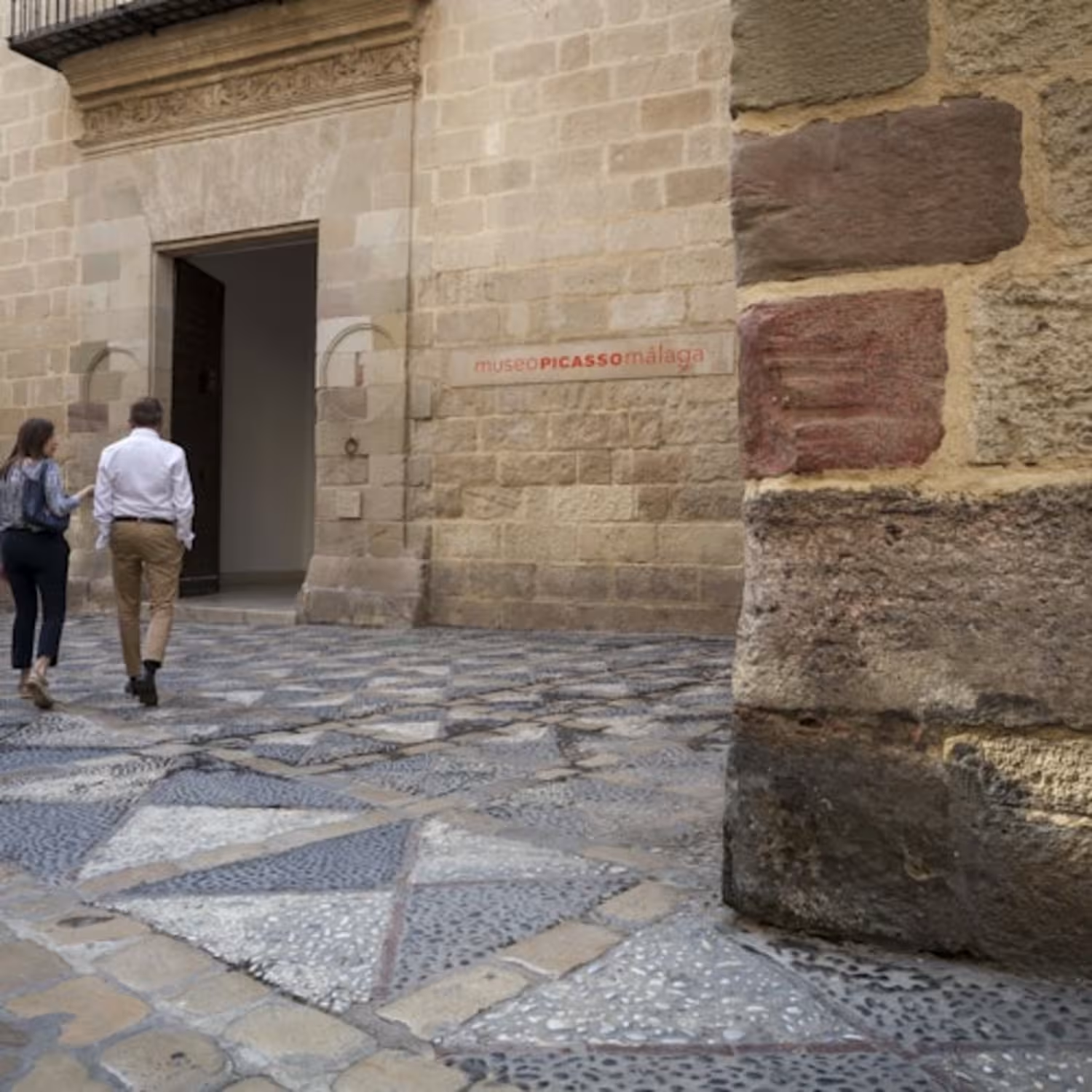
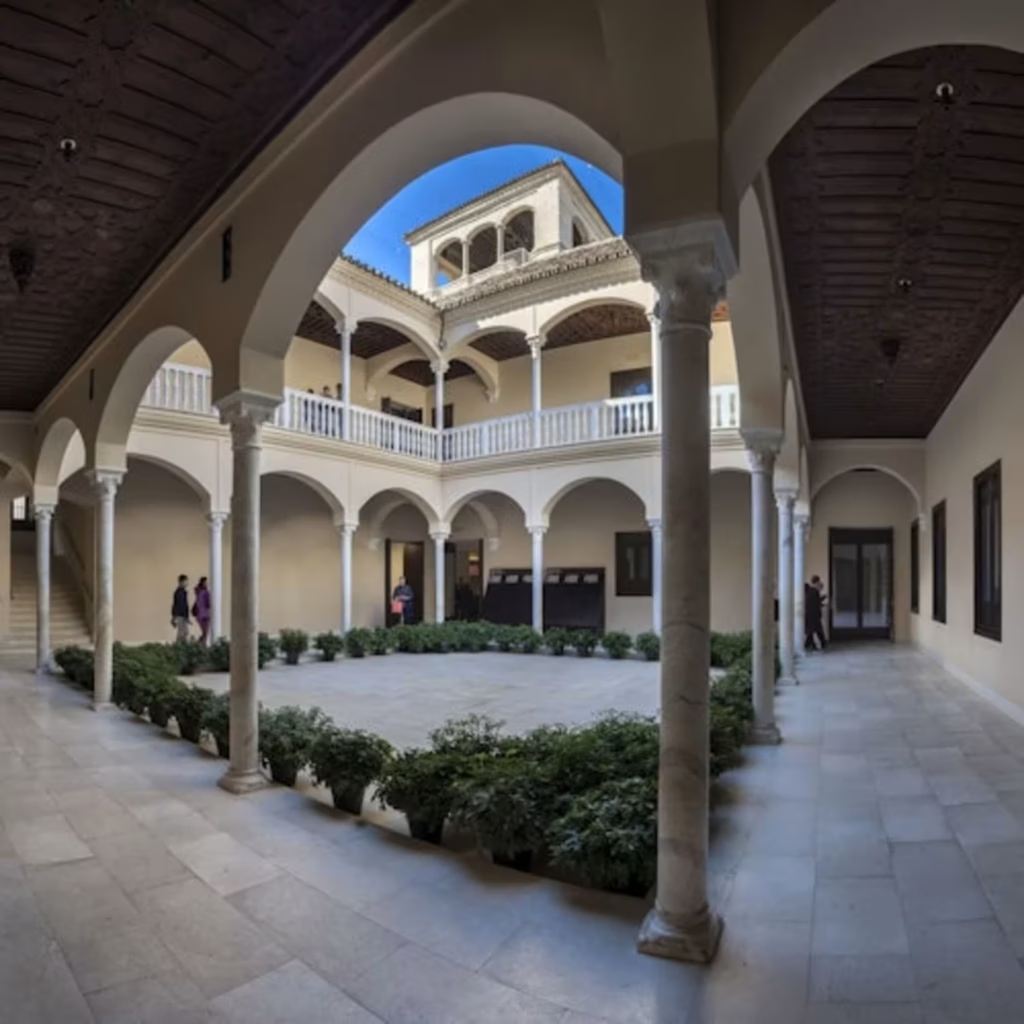
Arcaded courtyard of the Palacio de Buenavista, home of Museo Picasso Málaga

What to See at Museo Picasso Málaga

A guide to the Picasso museum in the city where he was born: the permanent collection, the focus displays, the Phoenician and Roman remains under the palace, free hours and how long to allow.

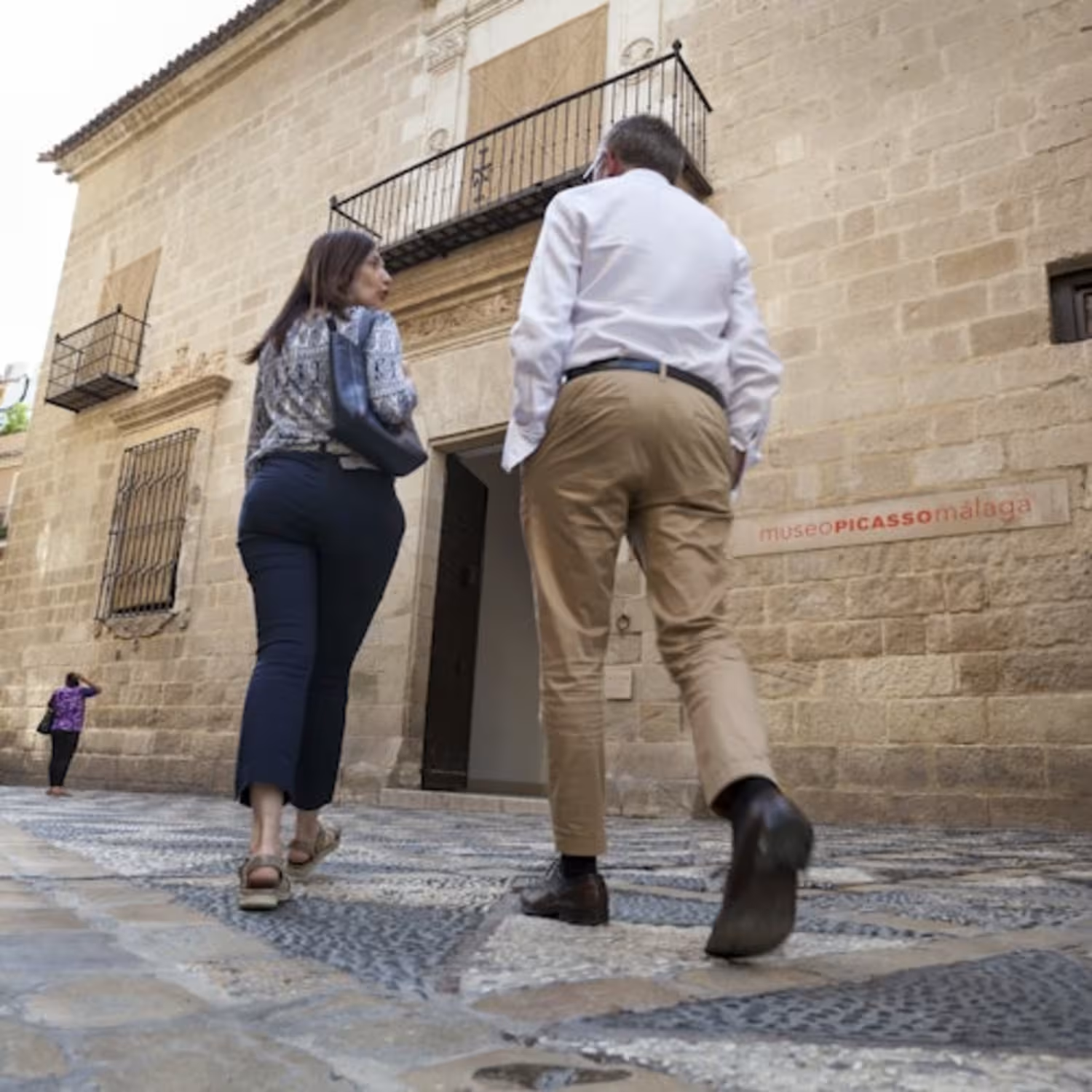
Museo Picasso Málaga is the museum of Pablo Picasso in the city where he was born in 1881, and it shows his work in a way few other collections do: paintings, drawings, sculpture, ceramics and prints from across his whole career share the same rooms, so you see the same ideas return decade after decade. The museum opened on 27 October 2003 inside the Palacio de Buenavista, a 16th-century palace in the historic centre, and the visit goes beyond the galleries: below ground level you walk past a Phoenician city wall and the vats of a Roman fish-salting factory. This guide covers what is on show, the works to look for, how the audio guide and the free hours work, and how much time to allow, so you can plan a visit that fits your day in Málaga.

Picasso Museum Malaga: Admission + Audio Guide

Highlights

  • See over 100 iconic artworks by Pablo Picasso in a historic 16th-century palace.
  • Experience the museum’s collection that spans more than 80 years of Picasso’s artistic development.
  • Discover temporary exhibitions including works by William Kentridge and Picasso’s notebooks.
  • Use an audio guide available in 14 languages to deepen your understanding of the exhibits.
  • Visit a beautifully preserved palace located in Málaga’s Old Town for a captivating cultural experience.
Museo Picasso Málaga: key facts

The museum opened on 27 October 2003 in the Palacio de Buenavista, declared a National Monument in 1939.

The permanent display Pablo Picasso: Structures of Invention shows around 144 works and is on view until 19 March 2028.

Below the palace you see a Phoenician wall from the early sixth century BC and vats from a Roman fish-salting factory.

The audio guide is included with admission and runs as a web app on your own phone.

Admission is free every Sunday during the last two hours before closing, and on four set dates a year.

Children under 17 enter free under the museum's rules.

Last entry is 30 minutes before closing; the galleries are cleared 10 minutes before closing time.

The permanent collection: Structures of Invention
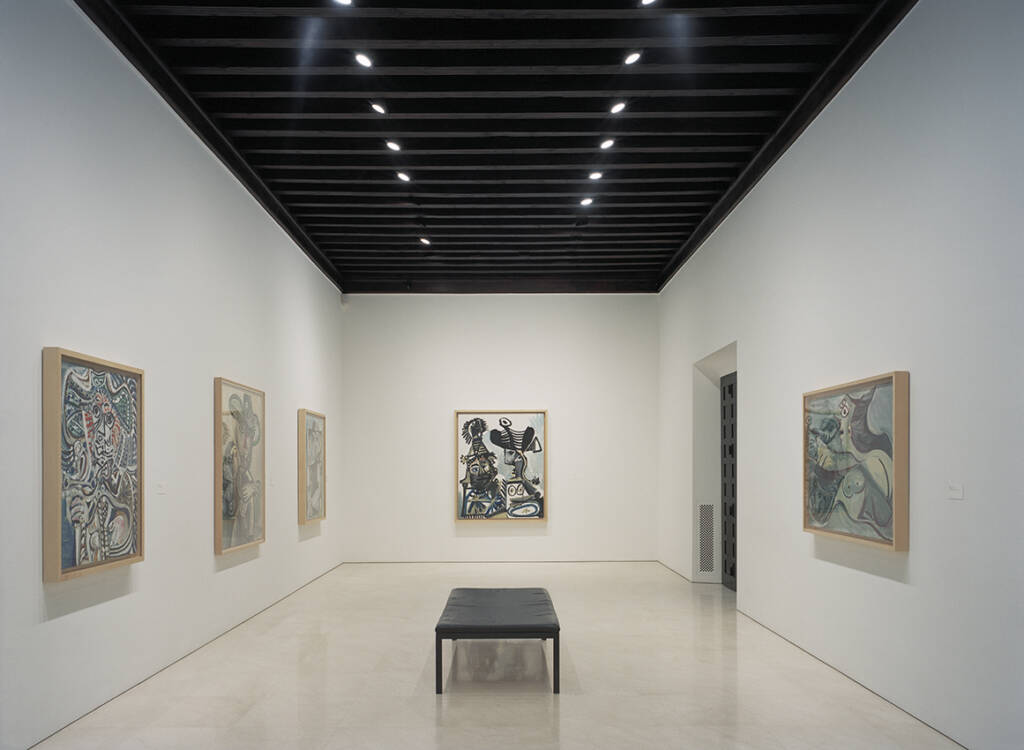
Gallery of Picasso paintings at Museo Picasso Málaga

The permanent display, Pablo Picasso: Structures of Invention. The Unity of a Life's Work, brings together around 144 works and is on view until 19 March 2028. Its curator, the art historian Michael FitzGerald, set aside a strict timeline: works from different decades share the same rooms, and the first gallery alone runs from the late 1890s to 1970. The aim is to show how Picasso kept returning to the same subjects, among them the Minotaur, the bullfight, his family and eroticism, and reinvented them with new materials and styles. Several pieces come from a temporary deposit by the Fundación Almine y Bernard Ruiz-Picasso and are shown in Spain for the first time, including the oil Paul (The Artist's Son) from 1922, Head of a Woman from 1928 and the sculpture Woman leaning on her Elbow from 1933. Look out too for three African sculptures from Picasso's own collection, placed close to his work so you can compare the forms directly.

Five focus displays, ceramics and prints
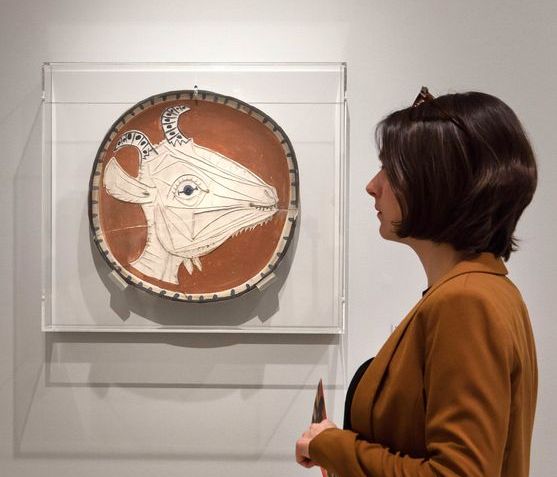
Visitor looking at a Picasso ceramic plate at Museo Picasso Málaga

Inside the permanent galleries, five small focus exhibitions each zoom in on one subject, every one with its own curator. One looks at African sculpture, another at Picasso's paintings on wooden panels and a third at his plaster sculptures of the 1930s. A fourth follows his life in Paris during the Second World War, and the fifth covers the mural he made for UNESCO in 1957 and 1958. They take a few minutes each and add context to the larger rooms, so stop at them rather than walking past. Ceramics are part of the story: the Spanish Plate decorated with a bull's head from 1957 shows how Picasso turned tableware into a painted surface. The printmaking area displays a Crommelynck printing press and explains the techniques Picasso used in his prints, next to Lifeline, a biographical and historical survey that places each phase of his work in its moment. Both of these displays are free until 21 March 2027.

Below the palace: Phoenician and Roman Málaga
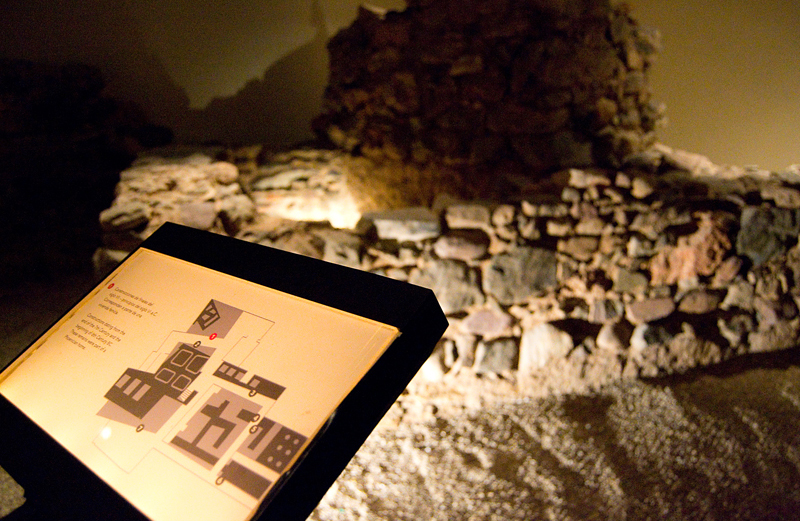
Archaeological remains under the Palacio de Buenavista at Museo Picasso Málaga

When the palace became a museum, work on the site uncovered layers of the city's past, and they are now part of the visit below ground level. The oldest is a stretch of Phoenician wall from the early sixth century BC that protected the north side of the settlement. Close by are the remains of vats from a Roman fish-salting factory that worked between the third and fifth centuries AD and produced garum, the fish sauce that was exported to Rome. Rooms from the Renaissance palace also survive at this level. The palace itself was built by Diego de Cazalla, paymaster of the royal navy and army, who took part in the Christian conquest of Málaga in 1487; he raised it on the ruins of a Nasrid palace, and a tower east of the main courtyard survives from that earlier building. This part of the visit is easy to miss if you leave straight from the upper galleries, so look for the route down before you head for the exit.

The Palacio de Buenavista, its courtyard and garden
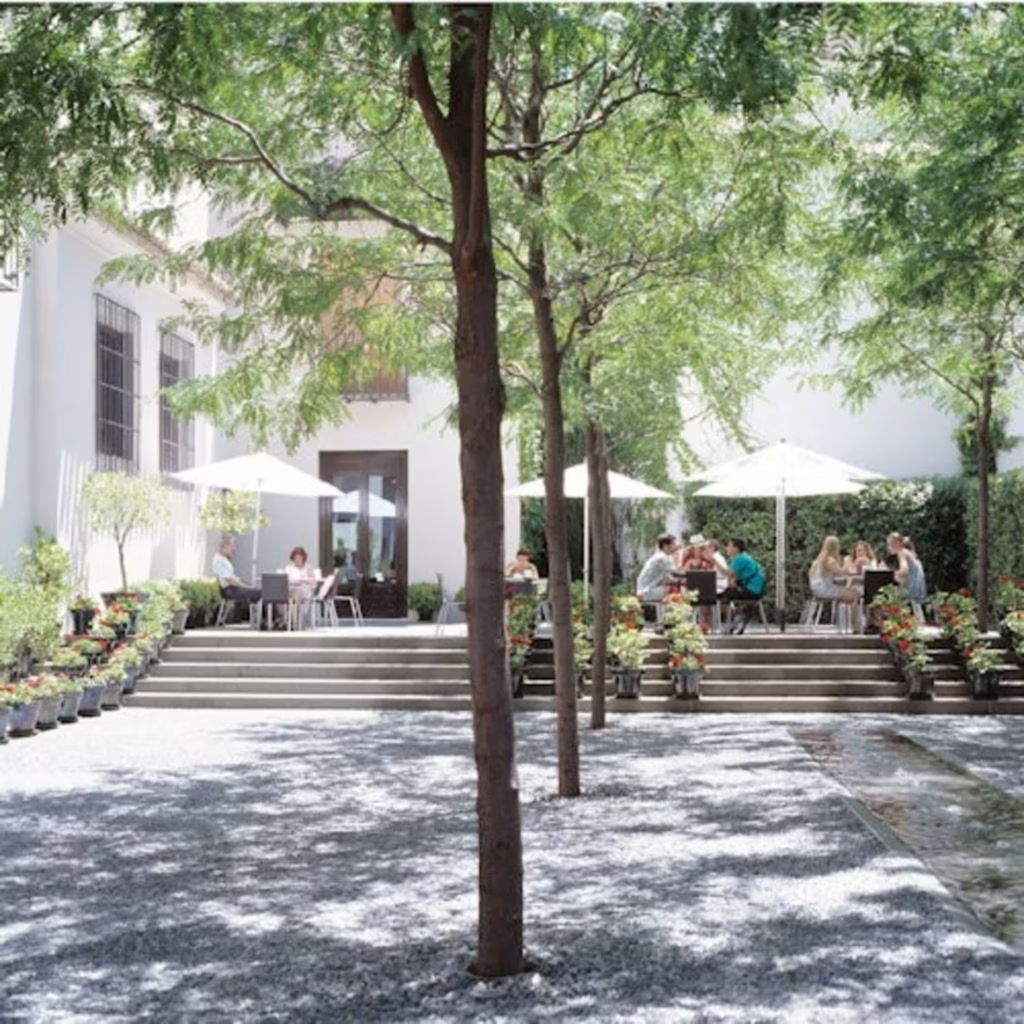
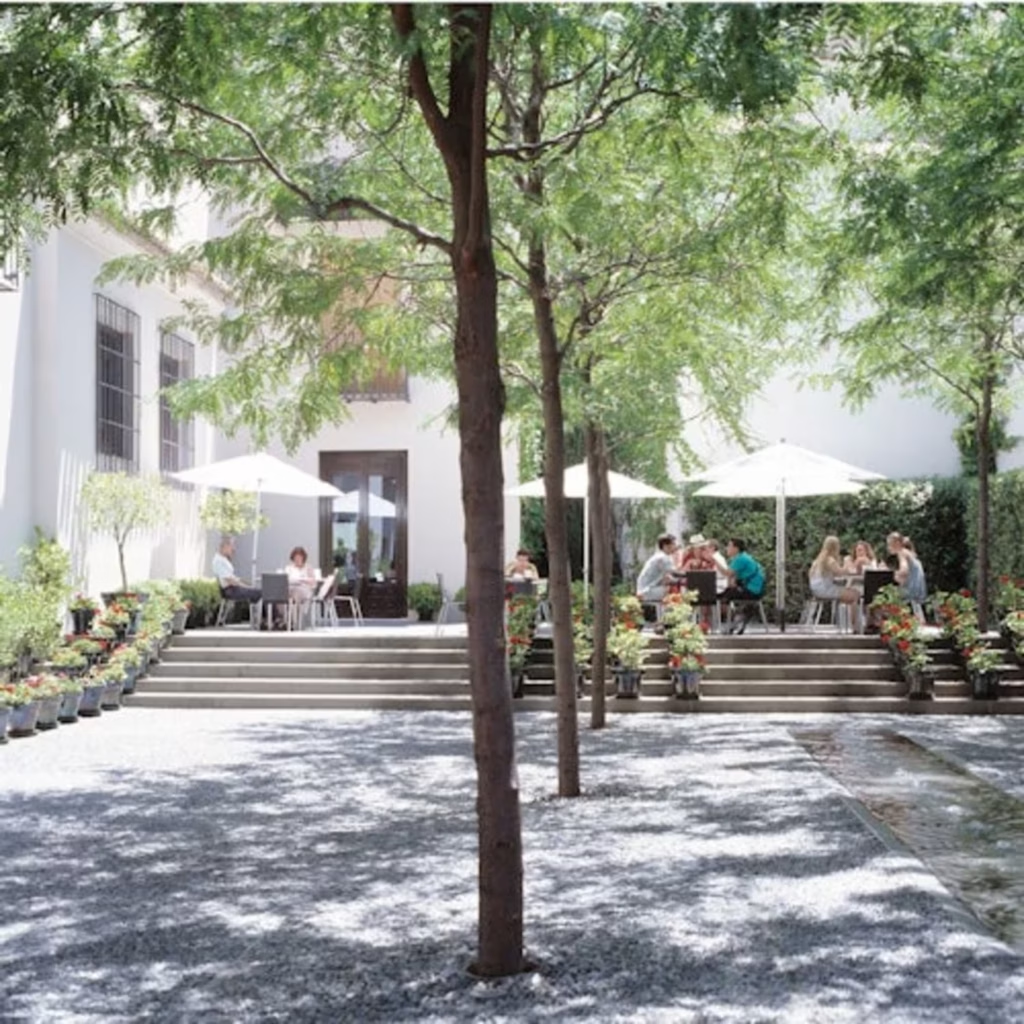
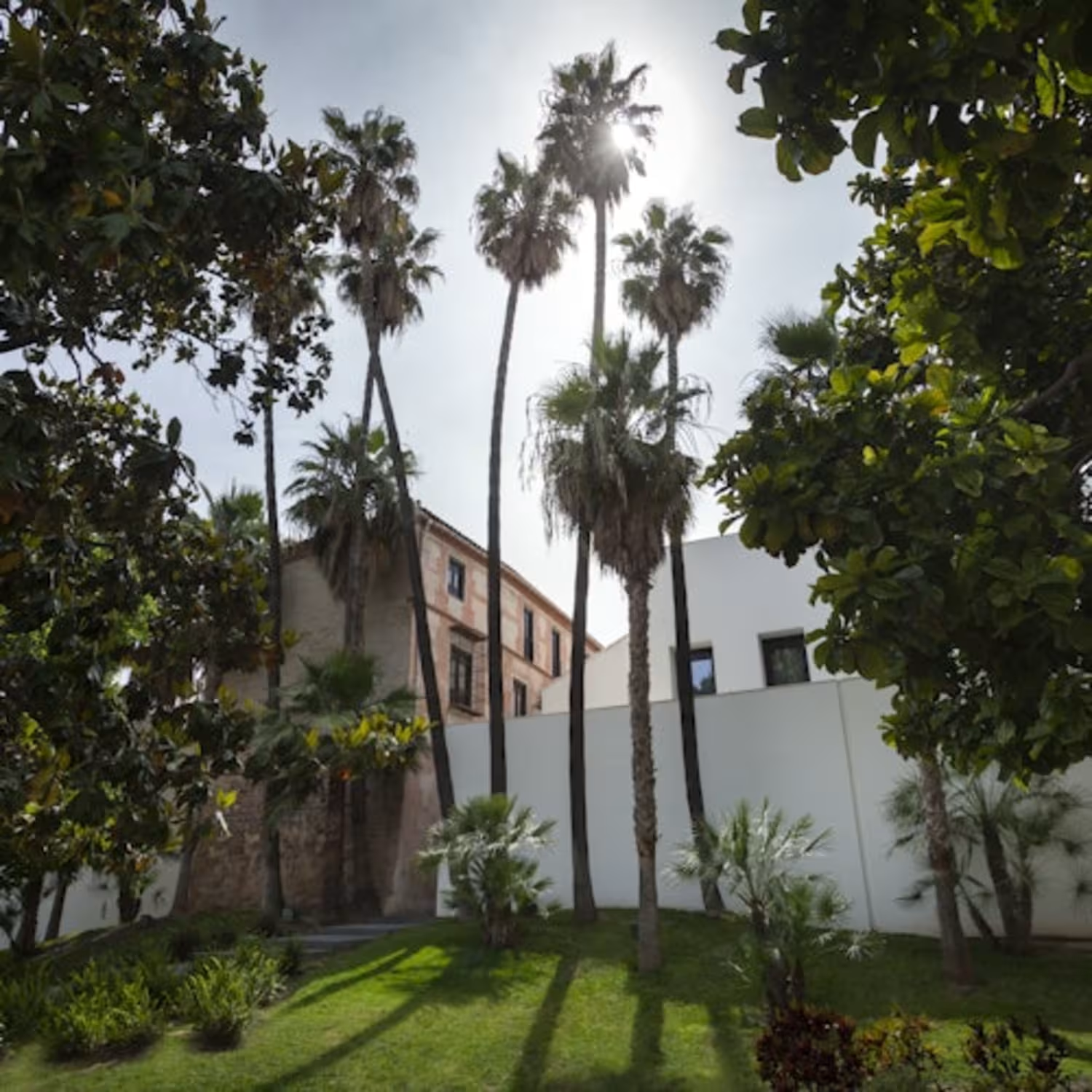
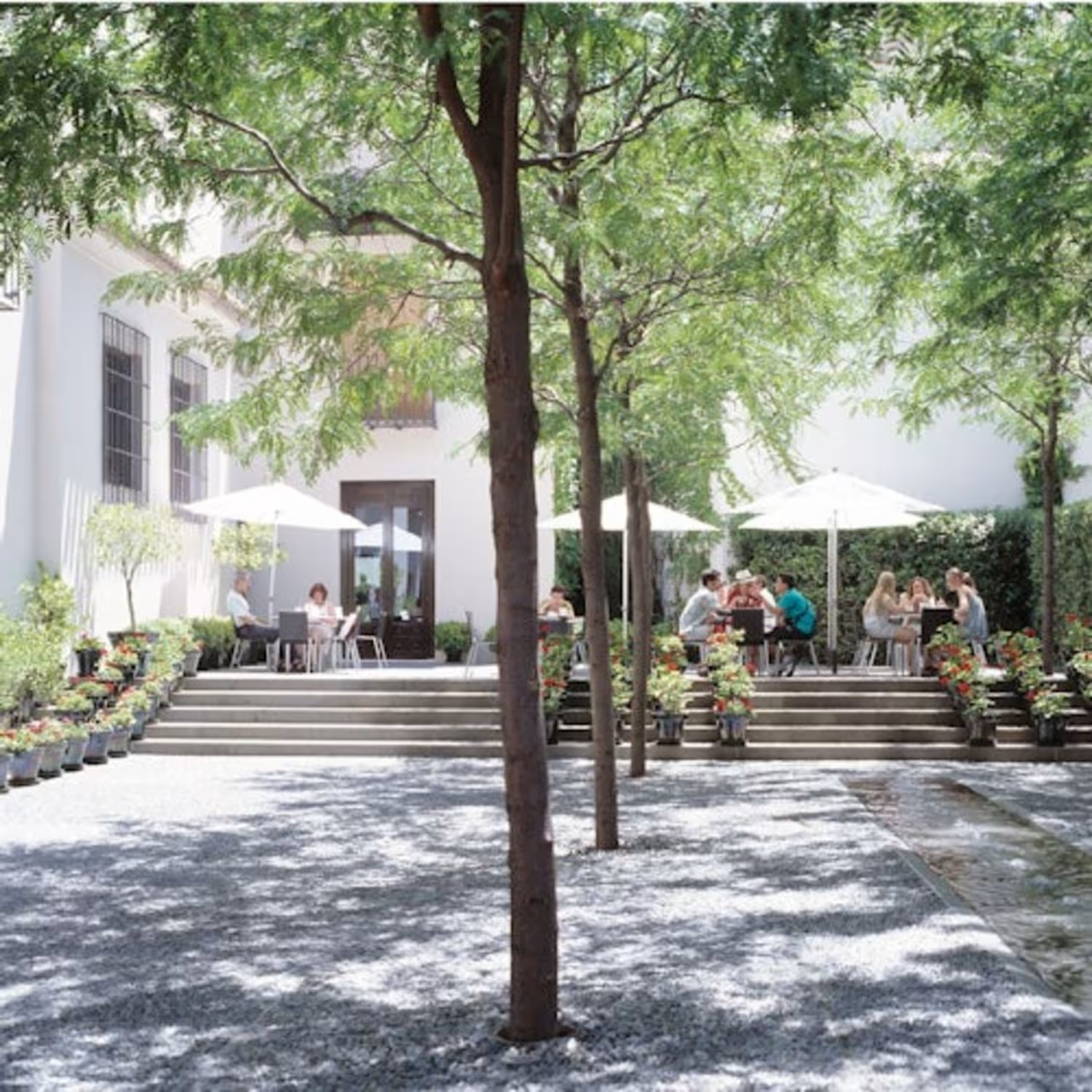
Garden café among the trees at Museo Picasso Málaga

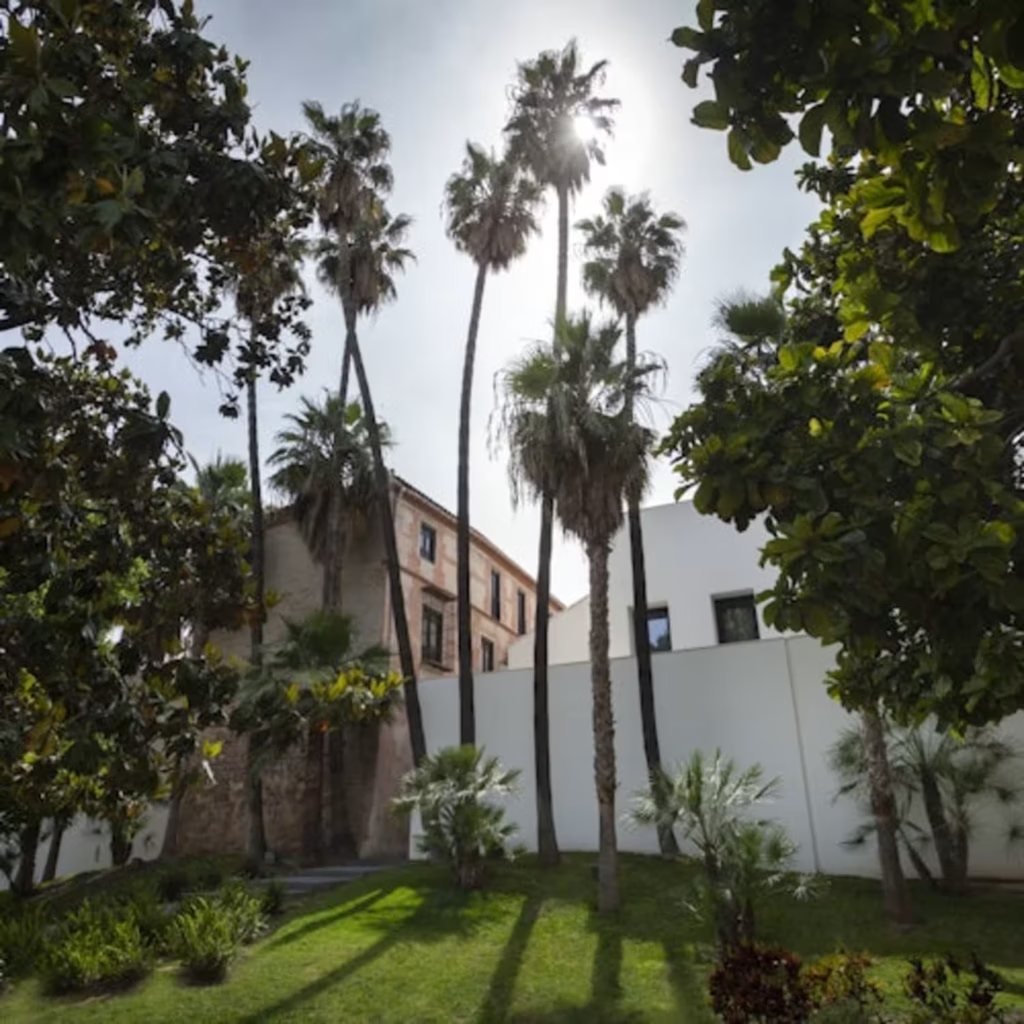
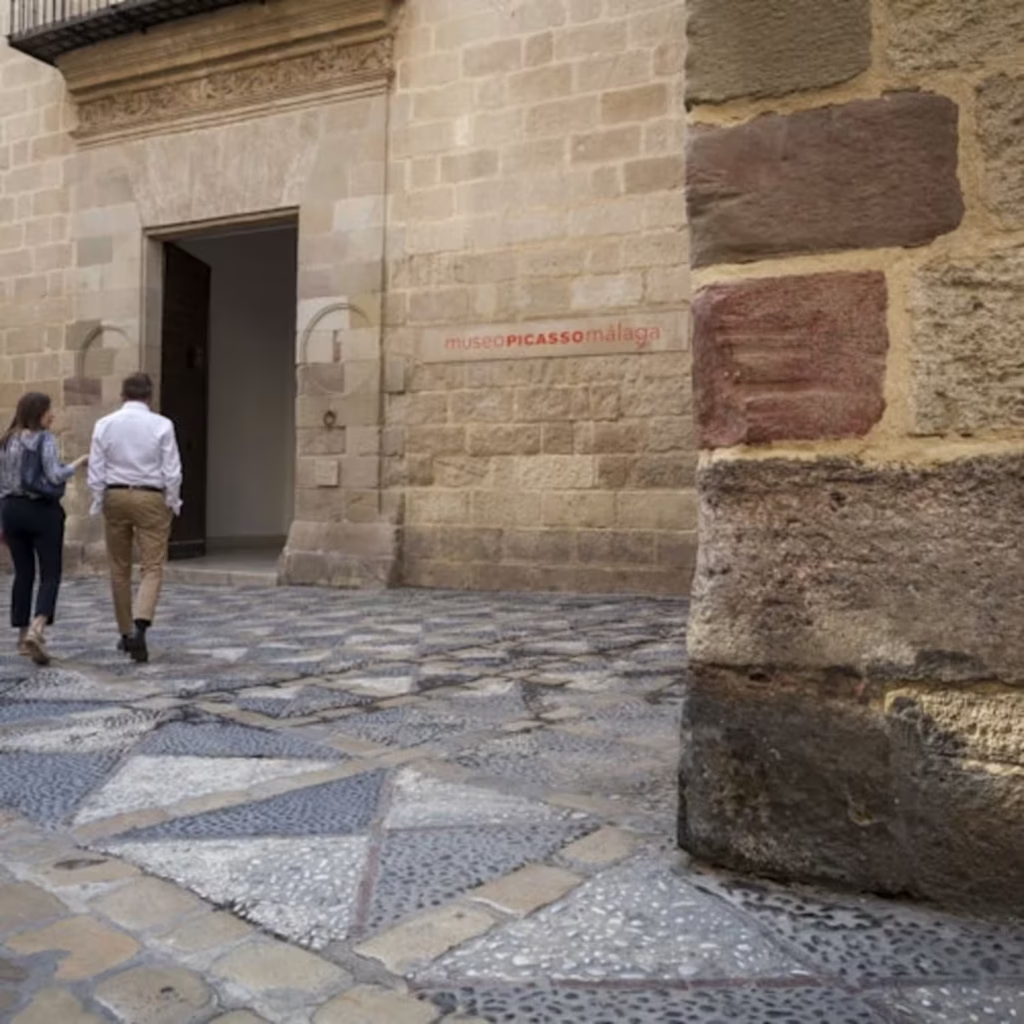
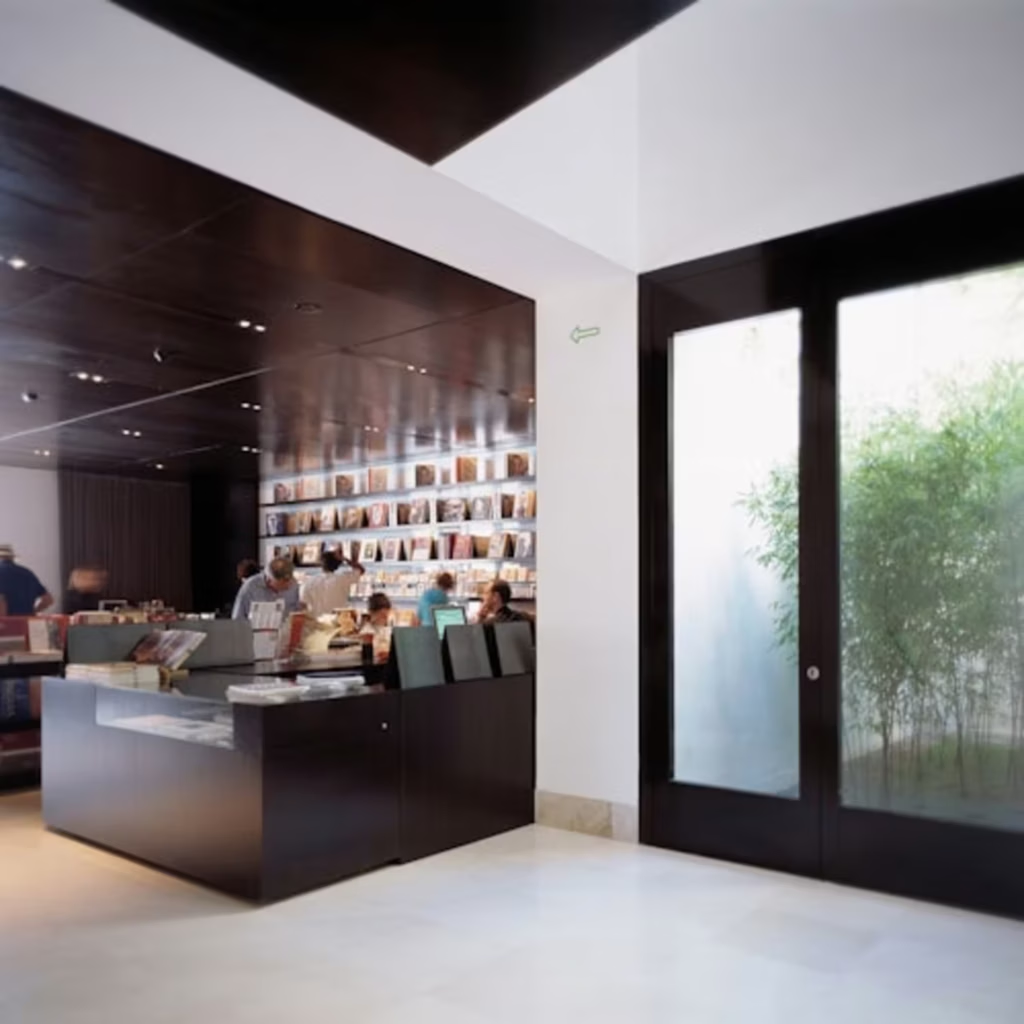
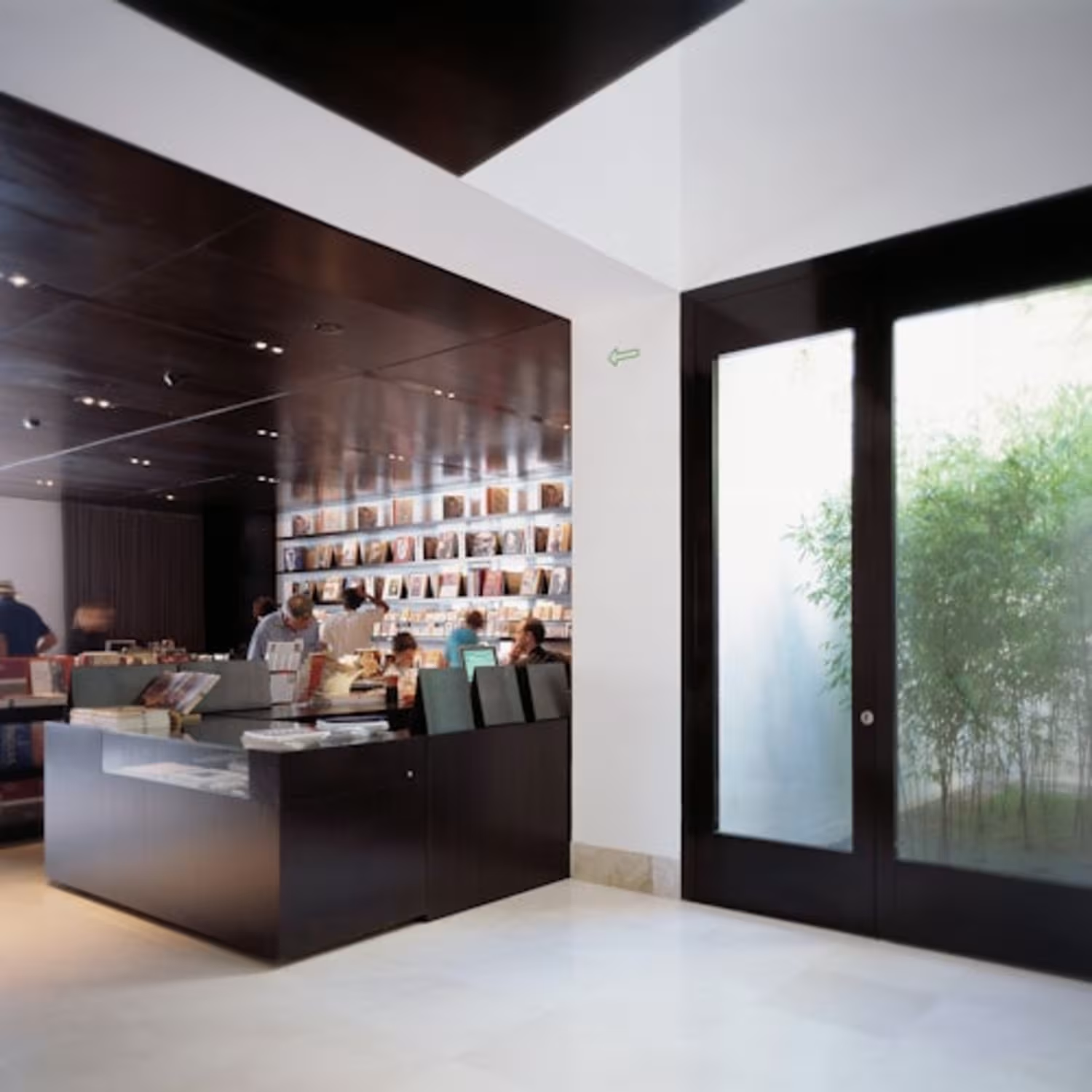
The building is part of the experience. The Palacio de Buenavista mixes Renaissance and Mudéjar architecture with Castilian, Italian and Moorish influences, and it was declared a National Monument in 1939. Over the centuries it was a noble residence, then housing, a school, a furniture factory and a hospital, and from 1961 it held Málaga's Provincial Fine Arts Museum. The Regional Government of Andalusia bought it in 1997 for the Picasso museum, and fifteen houses behind the palace were added for a new wing. The conversion was led by Richard Gluckman of Gluckman Mayner Architects with Cámara Martín Delgado Arquitectos, and in 2006 it received the American Institute of Architects' Honor Award. Take a few minutes in the arcaded main courtyard and in the quiet garden with its fountain, where the museum café serves a Mediterranean menu. The shop specialises in Picasso and his time, with the museum's own publications, art books, gifts and items for children and teenagers.

How to plan your time

Allow around 90 minutes for the permanent collection, the focus displays and the remains below ground, and add time for a temporary exhibition.

Temporary exhibitions change through the year. From 30 October 2026 to 28 February 2027 the museum shows Munch-Picasso.

The audio guide runs in your phone's browser with nothing to download, so bring headphones and a charged phone.

Opening hours follow the season: 10:00 to 18:00 from November to February, 10:00 to 19:00 from March to June and in September and October, and 10:00 to 20:00 in July and August. Full details are in our Museo Picasso Málaga opening hours guide.

On 24 and 31 December and 5 January the museum closes at 15:00, and it is closed on 25 December, 1 January and 6 January.

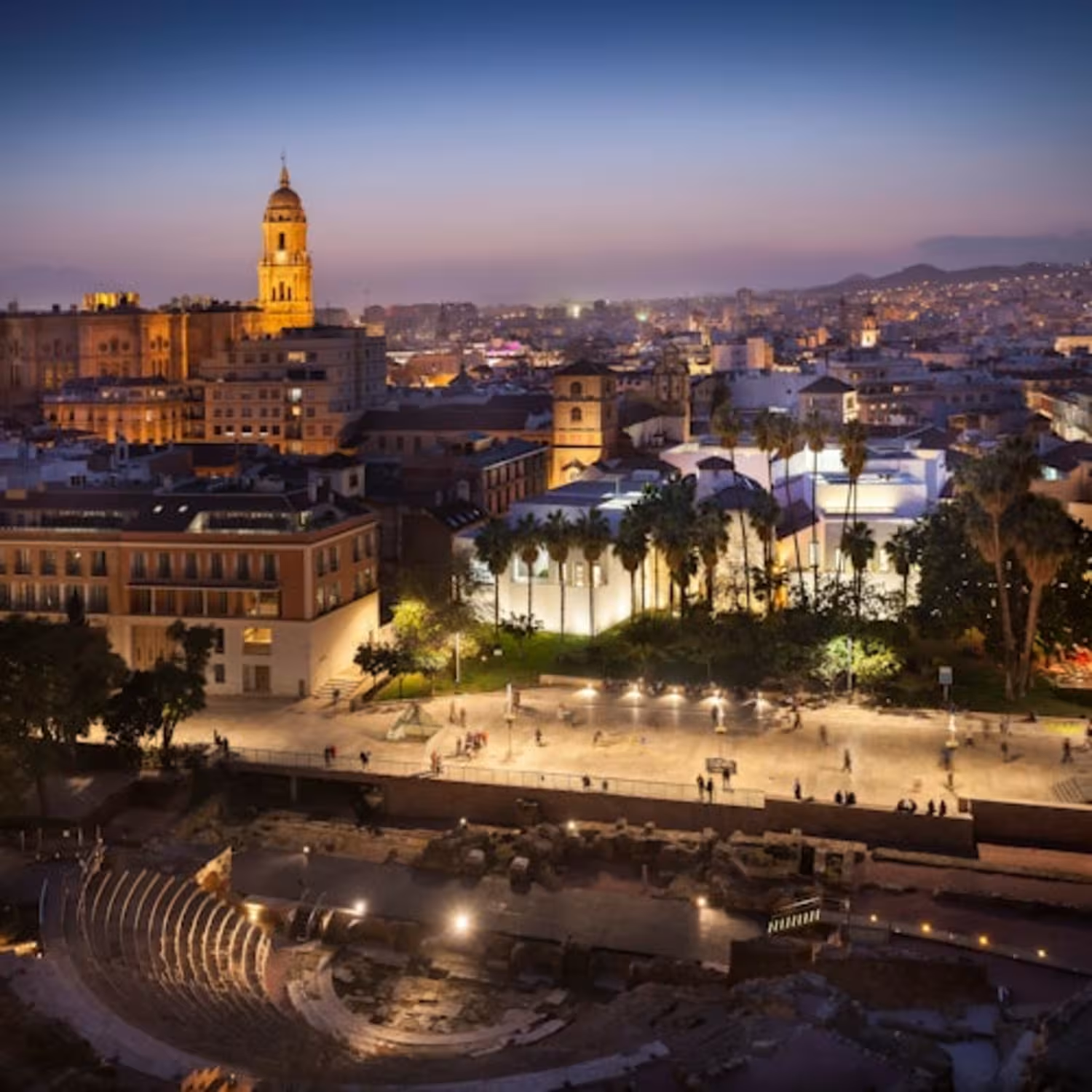
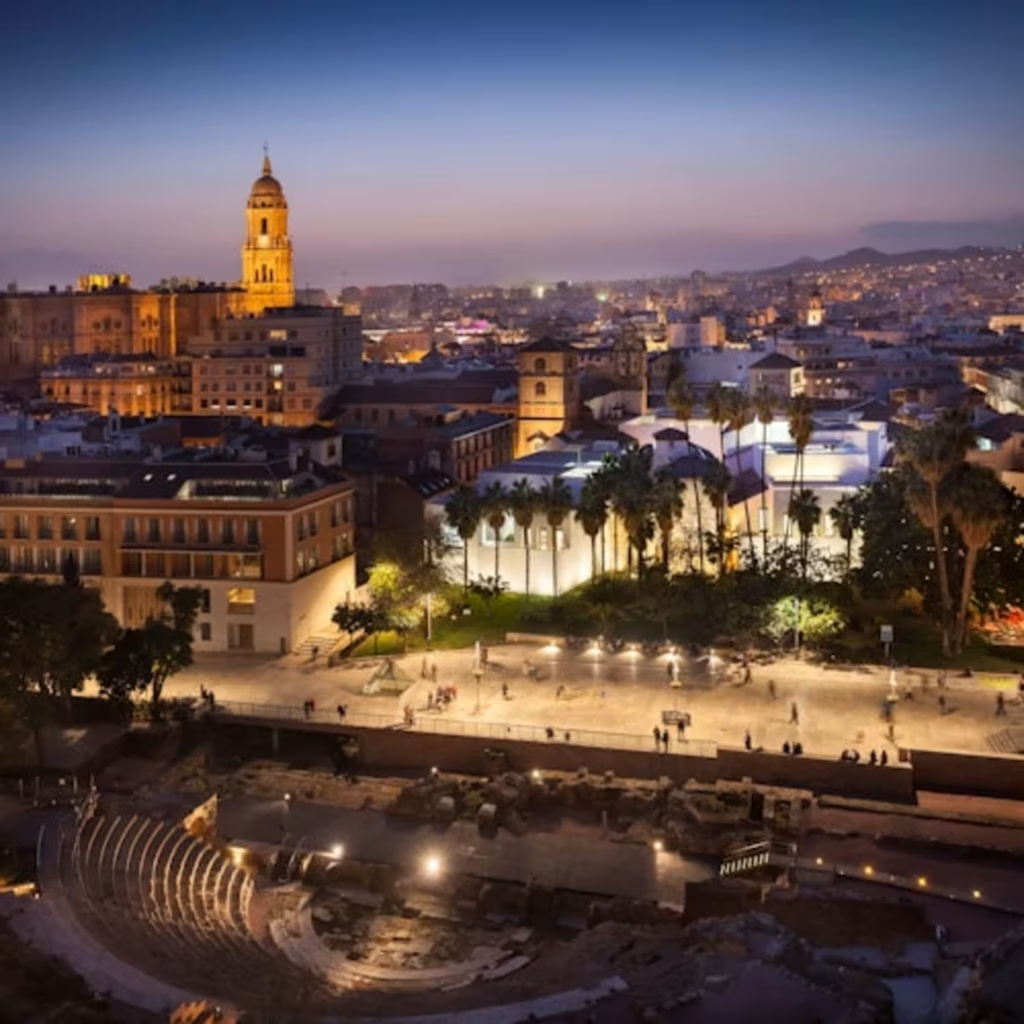
The museum is in the historic centre, close to the Cathedral, the Alcazaba and the Roman Theatre. See how to get to Museo Picasso Málaga.

Free entry and who pays less

Admission is free every Sunday during the last two hours before closing. Our ticket gives you a reserved time slot on any other day.

Entry is also free on 28 February (Day of Andalusia), 18 May (International Museum Day), 27 September (World Tourism Day) and 27 October, the museum's anniversary.

Children under 17 enter free under the museum's rules. Check the age bands / ticket options shown when you book.

People with disabilities and one companion, registered job seekers, teachers, ICOM members and journalists also enter free.

Seniors over 65, students under 26 and European Youth Card holders pay a reduced rate.

Free entry and discounts apply to museum admission only, not to activities and workshops.

Combine Museo Picasso with more art in Málaga

Málaga has more major art museums close to the historic centre. Continue to the Centre Pompidou Málaga in the port for 20th- and 21st-century art, read our guide to what to see at the Centre Pompidou Málaga, or visit the Museo Carmen Thyssen. When you are ready, choose your entry on the Museo Picasso Málaga tickets page, or read our plan your visit guide.

Museo Picasso Málaga: FAQs

How long do you need at Museo Picasso Málaga?

Allow around 90 minutes for the permanent collection, the focus displays and the archaeological remains below the palace. Add more time if you also want to see a temporary exhibition or sit in the garden café.

Is the audio guide included?

Yes. The museum's audio guide is included with admission and works as a web app in your phone's browser, with nothing to download. Bring headphones and a charged phone.

When is Museo Picasso Málaga free?

Every Sunday during the last two hours before closing, and on 28 February, 18 May, 27 September and 27 October. Our ticket gives you a reserved time slot on any other day.

Do children pay at Museo Picasso Málaga?

Under the museum's rules, children under 17 enter free. Check the age bands / ticket options shown when you book.

Which works can you see at Museo Picasso Málaga?

The permanent display Structures of Invention shows around 144 works, including Paul (The Artist's Son) from 1922, Head of a Woman from 1928, the sculpture Woman leaning on her Elbow from 1933 and the Spanish Plate decorated with a bull's head from 1957, plus three African sculptures from Picasso's own collection.

What is under the museum?

Below ground level you see a Phoenician wall from the early sixth century BC, vats from a Roman fish-salting factory that made garum between the third and fifth centuries AD, and rooms from the Renaissance palace.

What are the opening hours?

The museum opens every day at 10:00. It closes at 18:00 from November to February, at 19:00 from March to June and in September and October, and at 20:00 in July and August. Last entry is 30 minutes before closing.

Which days is the museum closed?

It is closed on 25 December, 1 January and 6 January. On 24 and 31 December and 5 January it opens from 10:00 to 15:00.

What is the Palacio de Buenavista?

It is the 16th-century palace that houses the museum, built by Diego de Cazalla on the ruins of a Nasrid palace and declared a National Monument in 1939. It mixes Renaissance and Mudéjar architecture.

Is there a café at Museo Picasso Málaga?

Yes. The café is in the garden and serves a Mediterranean menu. The museum also has a shop specialising in Picasso and his time.

Who founded the museum's collection?

The museum opened in 2003 with works from Picasso's family. Christine and Bernard Ruiz-Picasso, his daughter-in-law and grandson, made the founding donations and loans, and the Fundación Almine y Bernard Ruiz-Picasso still lends works today.

About this guide

Sources: Museo Picasso Málaga, Visit; Museo Picasso Málaga, Palacio de Buenavista; Museo Picasso Málaga, History; Museo Picasso Málaga, Pablo Picasso: Structures of Invention; Museo Picasso Málaga, The creation of the Museo Picasso Málaga Foundation.